
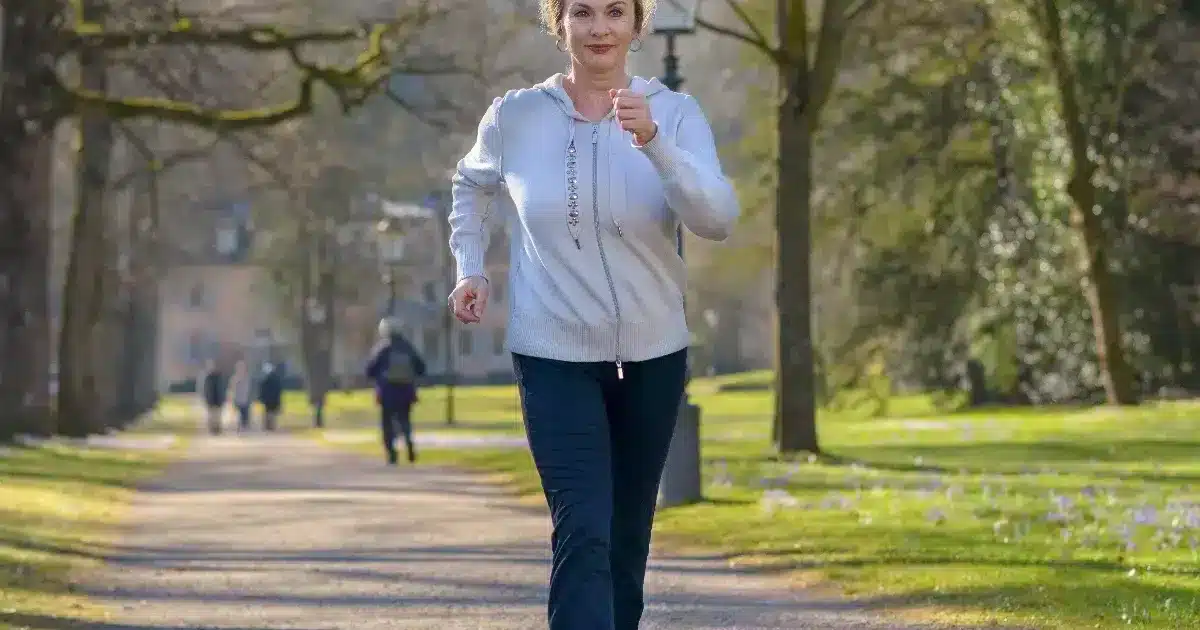
Walking 30 minutes a day for a month transformed one journalist's daily routine in ways she didn't expect. From sharper focus to reduced anxiety, the results came faster than anticipated, and the habit outlasted the experiment itself.
When Dominique Michelle Astorin decided to lace up her shoes every day after lunch and head outside, the goal wasn't to run a marathon or overhaul her lifestyle. It was simpler than that: just 30 minutes, every day, for 30 days. What followed was a cascade of physical and mental changes that reshaped her relationship with movement, food, and her own energy levels.
This is what actually happened.
The setup: walking after lunch, every single day
The timing wasn't random. Mornings felt like a battle, and evenings brought a different kind of resistance, the kind that comes after a full day of work when the couch wins. After lunch turned out to be the sweet spot. The body is already in motion, the midday break creates a natural window, and stepping outside resets the afternoon before it even starts.
Dominique walked from her workplace, leaving the office behind and trading screen time for fresh air. The pace wasn't fixed. Some days she pushed harder, covering ground with intention. Other days she strolled, letting the rhythm of her feet slow everything down. Both approaches worked. The consistency mattered more than the speed.
Varying the route to stay engaged
Weekdays followed a familiar path, which helped build the habit without requiring too much decision-making. But weekends introduced new routes, different neighborhoods, unfamiliar streets. That variation kept the practice from becoming monotonous and added a small element of discovery to each walk.
She also started inviting friends along on occasion, which shifted the experience from solitary discipline to something more social. Those walks felt shorter, more energizing, and easier to look forward to.
The first week already delivered results
The timeline here surprised even Dominique. Within the first week, before the habit had fully settled, the benefits were already showing up. Mood improved noticeably. Fatigue dropped. A sense of positivity crept in that hadn't been there before.
The first meaningful results from a daily 30-minute walking habit appeared within just 7 days, not weeks. Mood, energy, and fatigue were the earliest indicators.
The science backs this up. Walking triggers the release of endorphins, the body's natural mood regulators, which explains the emotional shift. But the physical effects were equally tangible. Breathing improved. Muscles that had been tight from hours at a desk began to loosen. Circulation picked up. And for someone spending most of her day indoors, the outdoor exposure stimulated vitamin D production, a benefit that tends to go underappreciated until it's missing.
Mental clarity as an unexpected bonus
One of the more striking outcomes was cognitive. The brain fog that builds up from staring at screens for hours started to lift. After each walk, concentration sharpened and mental clarity improved in a way that no second cup of coffee had ever quite managed. Productivity in the afternoon hours increased as a direct result.
The anxiety reduction was real too. Not dramatic, not overnight, but steady. By the end of the month, Dominique described a noticeably stronger resilience to everyday stressors, the kind of low-grade pressure that accumulates without anyone noticing until it becomes too heavy to ignore.
Food became part of the equation
Somewhere along the way, the walking experiment evolved. Dominique started paying closer attention to what she ate before heading out, and high-protein lunches became a deliberate part of the routine. The connection made sense: a protein-rich meal before a walk sustained energy levels and prevented the energy crash that can derail an afternoon.
She even taught herself to prepare thick-cut pork chops, a recipe she hadn't attempted before. The willingness to experiment in the kitchen mirrored the broader shift happening elsewhere: a growing curiosity about how small, consistent choices compound over time.
- Reduced anxiety and mental fog
- Higher energy and afternoon productivity
- Better posture and muscle relaxation
- Improved circulation and breathing
- Stronger social connections
- Boosted confidence and resilience
- Morning reluctance made early walks difficult
- Evening fatigue competed with consistency
- Missed days required deliberate recommitment
What 30 days of walking actually builds
The physical benefits of a daily 30-minute walk are well-documented, but living through them is different from reading about them. Posture improved, partly from the movement itself, partly from spending less time hunched over a keyboard. Circulation responded quickly to the added activity. The combination of sunlight, fresh air, and physical movement produced a vitamin D boost and an endorphin release that, together, created a feedback loop: the better Dominique felt, the more she wanted to go.
Confidence grew too, and not in the abstract way wellness articles tend to promise. It showed up in interactions, in how she carried herself, in the small but accumulating sense that she was someone who follows through. Social encounters on the walks, whether with friends or strangers passed on the street, added a layer of warmth to days that could otherwise feel isolated behind a screen.
The habit that survived the experiment
Perhaps the most telling detail: the walks didn't stop when the month ended. The 30-day challenge had done what good habits do when they work. It embedded itself deeply enough to continue without the artificial pressure of a deadline. Missing a day no longer meant failure, it just meant picking it up again the next day, which is exactly the mindset that makes any routine sustainable.
The lesson here isn't complicated. Thirty minutes a day, taken outside, after lunch, at whatever pace the day allows, is enough to shift mood, sharpen thinking, relax the body, and build something that lasts. The entry point is low. The compounding effect is not.